Category: Mindful Parenting

  • Why Do Kids Grind Their Teeth in Sleep? Understanding Childhood Bruxism

    Why Do Kids Grind Their Teeth in Sleep? Understanding Childhood Bruxism

    As a parent, you might find it a little unsettling to hear your child grinding their teeth in the middle of the night. This common condition, known as bruxism, affects many children — and while it might sound alarming, it’s often a normal part of development. Still, it helps to understand what’s happening and when it might need extra attention.


    🦷 What Is Bruxism?

    Bruxism is the medical term for teeth grinding or jaw clenching, usually happening during sleep. In children, it’s often subconscious, and many don’t even realize they’re doing it.


    🤔 Why Do Children Grind Their Teeth?

    There’s no single cause of bruxism, but several common factors may contribute:


    1. Stress or Anxiety

    Just like adults, kids feel stress — though it might show up differently. Starting school, adjusting to a new sibling, or even a shift in bedtime routine can trigger nighttime grinding as a physical outlet for emotional tension.

    2. Misaligned Teeth

    When the upper and lower teeth don’t line up correctly, the jaw may subconsciously try to “correct” the alignment through grinding, especially during sleep when muscle control is relaxed.

    3. Pain or Discomfort

    Teething, earaches, or growing pains can also lead to bruxism. Grinding may be your child’s way of soothing discomfort, especially if they can’t express what they’re feeling.

    4. Medical Conditions

    Children with ADHD, cerebral palsy, or other neurological conditions are more likely to grind their teeth. Certain medications, especially those affecting the nervous system, may also play a role.

    5. Sleep Disorders

    Teeth grinding has been linked to sleep apnea, snoring, or even restless legs syndrome. If your child has difficulty sleeping, wakes frequently, or breathes noisily at night, this could be a factor.

    6. Developmental Phase

    Sometimes, kids grind their teeth simply because their jaw and teeth are changing. As they grow and new teeth come in, this habit often resolves on its own.

    7. Habit

    In some cases, bruxism becomes just that — a habit. If a child has been grinding their teeth for a long time, it might continue without a clear cause.


    🔍 Signs Your Child May Be Grinding Their Teeth

    Even if you’re not hearing it at night, here are some clues:

    • Complaints of jaw pain or headaches
    • Worn-down or flat-looking teeth
    • Sensitive teeth
    • Trouble sleeping or restlessness at night

    👨‍👩‍👧‍👦 What Can Parents Do?

    Most children grow out of bruxism. But in the meantime, there are some simple steps you can take:

    • Create a calm bedtime routine to reduce stress.
    • Encourage your child to express feelings during the day through conversation or play.
    • Make sure their sleeping position and pillows are comfortable.
    • Schedule regular dental checkups to monitor any wear and tear.
    • If grinding is severe or persistent, talk to your pediatrician or dentist — a mouth guard may be recommended in some cases.

    💡 Final Thoughts

    Bruxism is more common than you might think — and in most cases, it’s not something to lose sleep over (pun intended). By staying observant and offering support, you’re helping your child develop not just a healthier smile, but a lifelong sense of comfort and care.


    Tip of the Day:
    Let your child help brush and “check on” their teeth in the mirror — it’s a great way to make them aware and involved in their own well-being.
    Follow on Linked

  • 🏃‍♀️ When Is the Right Time to Start Outdoor Sports for Children?

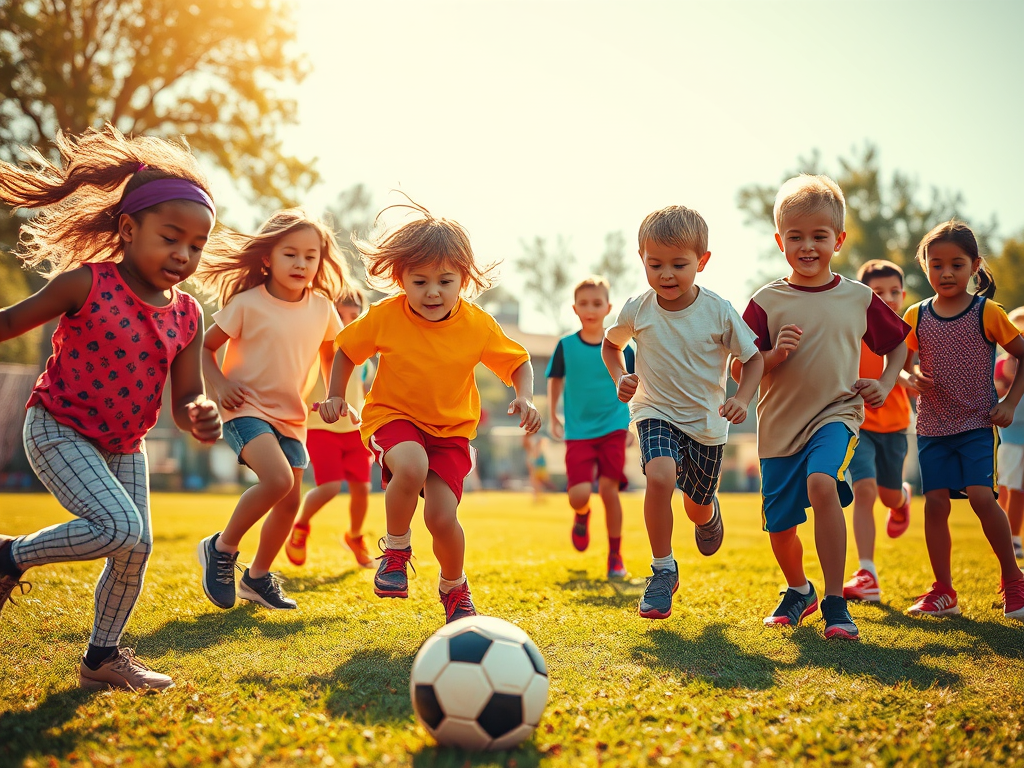
    🏃‍♀️ When Is the Right Time to Start Outdoor Sports for Children?

    As parents, one of the most common questions we ask ourselves is: “When should I start my child in sports?” The truth is, there’s no one-size-fits-all answer—but there is a right approach.

    Outdoor sports can be a powerful way to help kids build confidence, stay active, develop social skills, and learn valuable life lessons. But timing matters. Start too early, and they may feel overwhelmed. Start too late, and they might miss foundational skills or confidence to explore.

    So, what’s the right age—and how do you know when your child is ready?

    Let’s break it down by age and developmental stage:

    👶 Early Childhood (Ages 3–5): Building the Basics

    🔍 Focus:

    At this age, the goal is to develop motor skills like running, jumping, throwing, and catching—not mastering a sport.

    🏃‍♂️ Ideal Activities:

    • Tag, chasing games, hopscotch
    • Play-based movement like obstacle courses
    • Basic skills introduced through gymnastics, dance, swimming, or martial arts (with child-friendly modifications)

    💡 Pro Tip:

    Keep it fun and non-competitive. Avoid structured games or intense instruction.


    🧒 Elementary School (Ages 6–9): Introduction to Sports

    🔍 Focus:

    This is the sweet spot for introducing basic sports skills, understanding rules, and learning teamwork.

    Great Options:

    • Soccer, tennis, baseball, and basketball (with simplified rules)
    • Multi-sport programs or camps
    • Low-pressure environments that emphasize participation over performance

    💡 Pro Tip:

    This is not the time to choose “the one” sport. Let them explore different activities to see what they enjoy.


    🧑 Late Elementary (Ages 10–12): Skills & Strategy

    🔍 Focus:

    Now, kids are ready for more structured training, strategic thinking, and team dynamics.

    🥅 Activities to Try:

    • School or community leagues in sports like football, hockey, or competitive swimming
    • Focused skill-building in favorite sports
    • Introduction to team strategy, position play, and goal setting

    💡 Pro Tip:

    Balance skill-building with continued fun. Burnout can start creeping in if kids feel too pressured.


    👦 Adolescence (Ages 13–15): Time to Specialize (Maybe)

    🔍 Focus:

    This is when children who are passionate about a particular sport may start serious training and competitive play.

    🏋️‍♀️ Approach:

    • Advanced coaching and skill refinement
    • Increased physical training and focus on fitness
    • Continued emphasis on mental health, rest, and diversified movement

    💡 Pro Tip:

    Let your child lead the way. If they’re passionate, support their commitment. If they’re unsure, allow flexibility.


    ✅ Key Things to Remember

    🧠 Individual Readiness > Age

    Every child develops at a different pace. Some may be ready to follow instructions at 4, while others may need more time.

    🎉 Fun First, Always

    The best indicator of success in sports is enjoyment. If your child isn’t smiling, it may be time to switch gears.

    🛑 Avoid Early Specialization

    Kids who play multiple sports tend to be more adaptable, get injured less often, and are more likely to stick with sports long term.

    🫶 Be a Supportive Fan, Not a Coach

    Let coaches coach. Your role is to encourage, support, and be your child’s biggest cheerleader.


    🎯 Final Thoughts

    So, when’s the right time to start outdoor sports?
    Start early with play.
    Introduce structured sports between ages 4 to 6.
    Let your child explore, enjoy, and evolve at their own pace.

    In the end, it’s not about raising the next Olympian—it’s about raising confident, healthy, and happy kids who love to move.


    📌 Share This Blog If:

    • You’re a parent wondering when to start your child in sports
    • You believe play is just as important as performance
    • You want to raise active, well-rounded kids
  • Nurturing Hearts: The Power of Gentle Parenting

    Nurturing Hearts: The Power of Gentle Parenting

    In today’s fast-paced world, parenting can feel overwhelming. With endless advice coming from every direction, many caregivers are rediscovering a powerful, yet often overlooked approach: gentle parenting. Rooted in empathy, respect, and connection, this style of parenting helps raise emotionally intelligent and resilient children—exactly what the world needs more of.

    What Is Gentle Parenting?

    Gentle parenting is not about being permissive or spoiling children. Instead, it focuses on:

    • Respecting a child’s feelings
    • Setting clear, consistent boundaries
    • Using discipline as teaching, not punishment
    • Building mutual trust and connection

    This method helps children feel safe, valued, and understood, leading to better behavior and deeper parent-child relationships over time.

    The Role of Emotional Intelligence

    Children learn emotional regulation from how we respond to their emotions. When a child throws a tantrum, it’s an opportunity—not for punishment, but for coaching them through those big feelings. Instead of saying, “Stop crying,” gentle parenting encourages us to say, “I see you’re really upset—I’m here for you.”

    These moments build emotional intelligence, which research shows is more predictive of success and well-being than IQ alone.

    Practical Tips for Gentle Parenting

    1. Pause before reacting – Take a deep breath before responding to misbehavior.
    2. Validate emotions – Acknowledge your child’s feelings, even if their reaction seems irrational.
    3. Use natural consequences – Let experiences teach instead of relying on punishments.
    4. Model emotional regulation – Children learn more from what we do than what we say.
    5. Practice self-compassion – Gentle parenting starts with being gentle on yourself.

    A Work in Progress

    No parent is perfect—and gentle parenting isn’t about perfection. It’s about showing up with intention and compassion, even on tough days. Remember, your calm is your child’s anchor. The more we listen, connect, and lead with love, the more we raise children who are confident, kind, and emotionally aware.