
Tag: children

  • 10 Proven Ways to Boost Emotional Intelligence in Children (Backed by Psychology)

    10 Proven Ways to Boost Emotional Intelligence in Children (Backed by Psychology)

    Discover 10 science-backed ways to boost emotional intelligence in children using proven psychological methods. Build empathy, self-awareness, and resilience in kids today!

    What is Emotional Intelligence, and Why Should We Care?

    Ever seen your child struggle to name their feelings or lash out when they’re overwhelmed? That’s where emotional intelligence (or EI) comes in. It’s all about helping kids recognize, manage, and express their emotions—and understand others too.

    Raising emotionally intelligent kids doesn’t just lead to better behavior. It sets them up for lifelong success—in school, relationships, and even mental health. And the best part? You don’t need a psychology degree to get started.

    1. Be Their Role Model

    Let’s face it—kids are always watching us. They learn how to react to stress, anger, or sadness by observing how we handle our own emotions.

    That’s why it’s powerful to say things like, “I’m feeling really frustrated right now, so I’m going to take a few deep breaths.” It shows them it’s okay to feel big emotions—and more importantly, how to handle them.

    2. Teach Them to Name Their Emotions

    Ever heard the phrase “Name it to tame it”? It works like magic. When kids can label what they’re feeling, it helps them calm down and think more clearly.

    You can ask: “Are you feeling mad, sad, or something else?” or use picture books and games that explore different emotions.

    3. Use Stories to Build Empathy

    Books are emotional playgrounds. Reading about characters who feel scared, excited, jealous, or left out helps kids understand what others go through.

    After a story, try asking: “How do you think she felt when that happened?” It opens up beautiful, empathetic conversations.

    4. Teach Them to Listen With Heart

    Listening isn’t just about hearing words—it’s about understanding feelings too.

    Practice active listening by getting down to their level, making eye contact, and repeating back what they say. Encourage them to do the same with friends and siblings.

    5. Solve Problems Together

    Instead of jumping in with punishments, turn problems into learning moments. If your child hits their sibling, ask: “What happened?” and “What could you do next time instead?”

    This teaches emotional ownership—and problem-solving at the same time.

    6. Coach, Don’t Just Correct

    When your child is upset, they don’t need fixing—they need understanding. Try phrases like, “It’s okay to feel upset. Let’s figure out how we can deal with it.”

    That simple shift can build trust and emotional resilience.

    7. Practice Gratitude and Positivity

    Gratitude is like a superpower—it helps kids focus on what’s good, even when things get tough.

    Start a simple ritual: every night, name three things you’re both grateful for. Over time, it rewires their brain for optimism.

    8. Make Mindfulness Fun

    Mindfulness doesn’t have to be boring. Try fun breathing games like “smell the flower, blow out the candle” or simple body scans before bed.

    Even a few minutes a day can help kids stay grounded and calm.

    9. Give Them a Safe Place to Reflect

    Encourage your child to keep a “feelings journal” where they draw or write about their day.

    Not only does it boost emotional awareness, but it also gives you insight into what’s going on in their little world.

    10. Create an Emotionally Safe Home

    Kids need to know they can be themselves—messy emotions and all. That means listening without judging and reacting calmly when they mess up.

    When children feel emotionally safe, they open up more and build a stronger bond with you.

    Making It a Daily Habit

    Emotional intelligence isn’t built in one day—it’s something we grow together, day by day. Talk about feelings during dinner, model empathy during arguments, and praise emotional effort, not just achievements.

    You’re not just raising kids—you’re raising emotionally intelligent humans. And that’s pretty amazing.

    Quick Help for Tough Moments

    • Tantrums? Stay calm, label the emotion, and ride it out together.
    • Peer pressure? Talk openly and practice assertive phrases.
    • Sibling fights? Guide them through resolving it on their own with your support.

    Helpful Resources

    The Ultimate Guide to Modern Parenting Ebook – https://www.digistore24.com/redir/525326/dimathakkar/

    Digital Detox for Kids-https://aanchorbiz.com/21-psychological-triggers-to-make-her-beg-you-for-a-second-chance-frontend/#aff=dimathakkar

    The Young Achiever’s Blueprint- https://aanchorbiz.com/the-young-achievers-blueprint-frontend/#aff=dimathakkar

    Real Parent Wins

    Thousands of parents using these strategies report more cooperation, fewer meltdowns, and kids who just get emotions better. Teachers love it too—classrooms become calmer and more connected.


    Got Questions? You’re Not Alone

    When should I start?
    Start young—even toddlers benefit from EI training!

    What if I struggle with my own emotions?
    You’re not alone. Learn together—it makes it more powerful.

    Is this different from IQ?
    Totally. IQ is brain smarts. EI is heart smarts.

    Can teachers help?
    Yes! Many schools now include emotional learning.

    Is EI hard for shy kids?
    Not at all. Shy kids can be deeply emotionally intelligent—they just need space.

    How do I know it’s working?
    You’ll notice less frustration, better communication, and more empathy.


    You’ve Got This!

    Teaching emotional intelligence isn’t always easy—but it’s one of the most important gifts you can give your child. You’re helping them grow into kind, confident, and emotionally strong people. That’s something to be proud of.

  • 🏃‍♀️ When Is the Right Time to Start Outdoor Sports for Children?

    🏃‍♀️ When Is the Right Time to Start Outdoor Sports for Children?

    As parents, one of the most common questions we ask ourselves is: “When should I start my child in sports?” The truth is, there’s no one-size-fits-all answer—but there is a right approach.

    Outdoor sports can be a powerful way to help kids build confidence, stay active, develop social skills, and learn valuable life lessons. But timing matters. Start too early, and they may feel overwhelmed. Start too late, and they might miss foundational skills or confidence to explore.

    So, what’s the right age—and how do you know when your child is ready?

    Let’s break it down by age and developmental stage:

    👶 Early Childhood (Ages 3–5): Building the Basics

    🔍 Focus:

    At this age, the goal is to develop motor skills like running, jumping, throwing, and catching—not mastering a sport.

    🏃‍♂️ Ideal Activities:

    • Tag, chasing games, hopscotch
    • Play-based movement like obstacle courses
    • Basic skills introduced through gymnastics, dance, swimming, or martial arts (with child-friendly modifications)

    💡 Pro Tip:

    Keep it fun and non-competitive. Avoid structured games or intense instruction.


    🧒 Elementary School (Ages 6–9): Introduction to Sports

    🔍 Focus:

    This is the sweet spot for introducing basic sports skills, understanding rules, and learning teamwork.

    Great Options:

    • Soccer, tennis, baseball, and basketball (with simplified rules)
    • Multi-sport programs or camps
    • Low-pressure environments that emphasize participation over performance

    💡 Pro Tip:

    This is not the time to choose “the one” sport. Let them explore different activities to see what they enjoy.


    🧑 Late Elementary (Ages 10–12): Skills & Strategy

    🔍 Focus:

    Now, kids are ready for more structured training, strategic thinking, and team dynamics.

    🥅 Activities to Try:

    • School or community leagues in sports like football, hockey, or competitive swimming
    • Focused skill-building in favorite sports
    • Introduction to team strategy, position play, and goal setting

    💡 Pro Tip:

    Balance skill-building with continued fun. Burnout can start creeping in if kids feel too pressured.


    👦 Adolescence (Ages 13–15): Time to Specialize (Maybe)

    🔍 Focus:

    This is when children who are passionate about a particular sport may start serious training and competitive play.

    🏋️‍♀️ Approach:

    • Advanced coaching and skill refinement
    • Increased physical training and focus on fitness
    • Continued emphasis on mental health, rest, and diversified movement

    💡 Pro Tip:

    Let your child lead the way. If they’re passionate, support their commitment. If they’re unsure, allow flexibility.


    ✅ Key Things to Remember

    🧠 Individual Readiness > Age

    Every child develops at a different pace. Some may be ready to follow instructions at 4, while others may need more time.

    🎉 Fun First, Always

    The best indicator of success in sports is enjoyment. If your child isn’t smiling, it may be time to switch gears.

    🛑 Avoid Early Specialization

    Kids who play multiple sports tend to be more adaptable, get injured less often, and are more likely to stick with sports long term.

    🫶 Be a Supportive Fan, Not a Coach

    Let coaches coach. Your role is to encourage, support, and be your child’s biggest cheerleader.


    🎯 Final Thoughts

    So, when’s the right time to start outdoor sports?
    Start early with play.
    Introduce structured sports between ages 4 to 6.
    Let your child explore, enjoy, and evolve at their own pace.

    In the end, it’s not about raising the next Olympian—it’s about raising confident, healthy, and happy kids who love to move.


    📌 Share This Blog If:

    • You’re a parent wondering when to start your child in sports
    • You believe play is just as important as performance
    • You want to raise active, well-rounded kids
  • 10 Screen-Free Activities That Keep Toddlers Busy (And Actually Work!)

    10 Screen-Free Activities That Keep Toddlers Busy (And Actually Work!)

    If you’ve ever whispered “just 10 more minutes” while hiding in the kitchen, this post is for you. Screen-free toddler activities that actually work aren’t unicorns — I’ve tested these myself. Here are my top 10 go-to ideas that keep little hands busy and moms just a little more sane.

    Creative Activities

    1. Coloring Pages
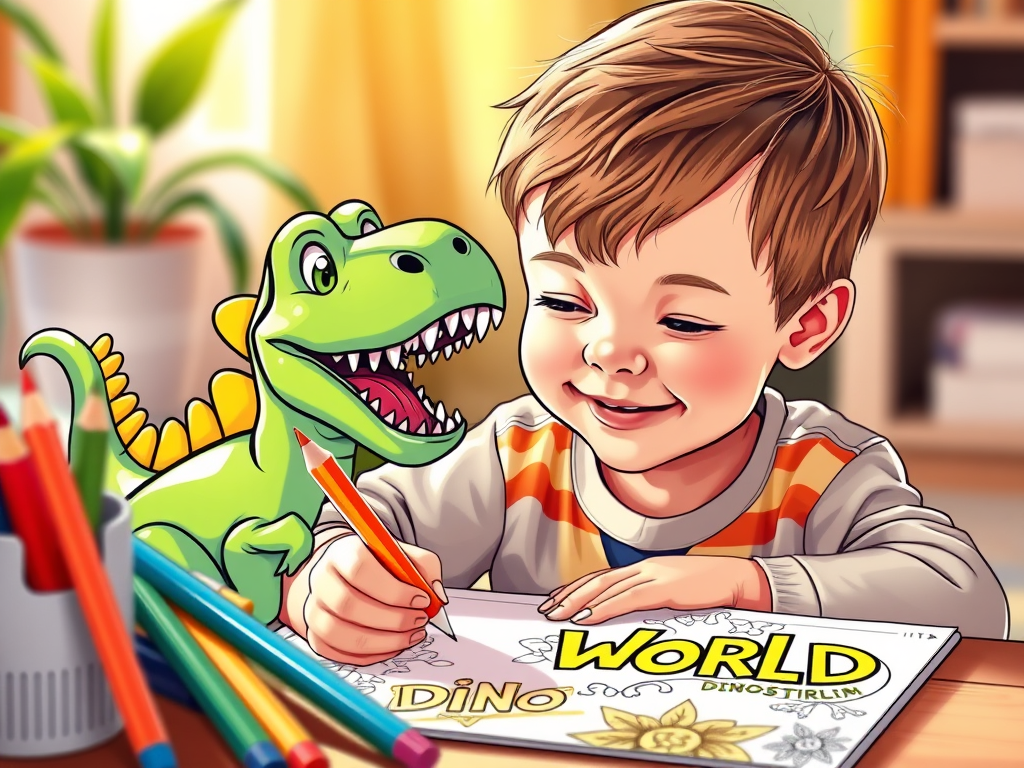
      Coloring is magic. My toddler can spend 20+ minutes with our favorite book: Dino World: A 25-Page Coloring Adventure — it features fun affirmations and cute dino designs.
      👉 Buy it on Amazon
    2. Sticker Sorting
      Grab dot stickers and draw simple shapes or letters on paper. Let your toddler match and stick them down. Bonus: it boosts fine motor skills!
    3. Playdough Press Kits
      Use old cookie cutters or plastic animals to create a playdough stamping game. Toddlers love textures and repetition.
      👉 Recommended kit: [https://amzn.to/43rnGEq]

    Learning Through Play

    1. Pom Pom Drop Game
      Tape an empty toilet paper roll to the wall. Drop pom poms through it. Simple? Yes. Mesmerizing? Also yes.
    2. Sensory Bins
      Fill a shallow bin with rice, lentils, or pasta. Add small toys and scoops for exploration. 👉 Starter kit idea: [Sensory Bin Tools on Amazon –https://amzn.to/439duiy]
    3. Shape Match Game
      Cut out paper shapes and draw their outlines on a cardboard box. Let your toddler “post” the right shape into the right hole.

    Productive Play (That Feels Like Help)

    1. Tiny Cleaning Kit
      Toddlers LOVE copying us. Get a mini broom and let them help you “clean.” 👉 My pick: [Melissa & Doug Cleaning Set – https://amzn.to/3SvWtdp]
    2. Sock Sorting Station
      Dump clean socks into a basket and ask for help matching pairs. Great for colors, patterns, and independence!
    3. Snack Drawer Time
      Set up a safe drawer or basket with toddler-approved snacks. Let them choose and “shop” their own.

    Bonus: When You Need a Quiet 15 Minutes

    1. The Busy Box
      Fill a small box with mini puzzles, crayons, books, and stickers. Rotate weekly. I swear by this trick for those “I need to focus” moments.