Tag: health

  • Why Do Kids Grind Their Teeth in Sleep? Understanding Childhood Bruxism

    Why Do Kids Grind Their Teeth in Sleep? Understanding Childhood Bruxism

    As a parent, you might find it a little unsettling to hear your child grinding their teeth in the middle of the night. This common condition, known as bruxism, affects many children — and while it might sound alarming, it’s often a normal part of development. Still, it helps to understand what’s happening and when it might need extra attention.


    🦷 What Is Bruxism?

    Bruxism is the medical term for teeth grinding or jaw clenching, usually happening during sleep. In children, it’s often subconscious, and many don’t even realize they’re doing it.


    🤔 Why Do Children Grind Their Teeth?

    There’s no single cause of bruxism, but several common factors may contribute:


    1. Stress or Anxiety

    Just like adults, kids feel stress — though it might show up differently. Starting school, adjusting to a new sibling, or even a shift in bedtime routine can trigger nighttime grinding as a physical outlet for emotional tension.

    2. Misaligned Teeth

    When the upper and lower teeth don’t line up correctly, the jaw may subconsciously try to “correct” the alignment through grinding, especially during sleep when muscle control is relaxed.

    3. Pain or Discomfort

    Teething, earaches, or growing pains can also lead to bruxism. Grinding may be your child’s way of soothing discomfort, especially if they can’t express what they’re feeling.

    4. Medical Conditions

    Children with ADHD, cerebral palsy, or other neurological conditions are more likely to grind their teeth. Certain medications, especially those affecting the nervous system, may also play a role.

    5. Sleep Disorders

    Teeth grinding has been linked to sleep apnea, snoring, or even restless legs syndrome. If your child has difficulty sleeping, wakes frequently, or breathes noisily at night, this could be a factor.

    6. Developmental Phase

    Sometimes, kids grind their teeth simply because their jaw and teeth are changing. As they grow and new teeth come in, this habit often resolves on its own.

    7. Habit

    In some cases, bruxism becomes just that — a habit. If a child has been grinding their teeth for a long time, it might continue without a clear cause.


    🔍 Signs Your Child May Be Grinding Their Teeth

    Even if you’re not hearing it at night, here are some clues:

    • Complaints of jaw pain or headaches
    • Worn-down or flat-looking teeth
    • Sensitive teeth
    • Trouble sleeping or restlessness at night

    👨‍👩‍👧‍👦 What Can Parents Do?

    Most children grow out of bruxism. But in the meantime, there are some simple steps you can take:

    • Create a calm bedtime routine to reduce stress.
    • Encourage your child to express feelings during the day through conversation or play.
    • Make sure their sleeping position and pillows are comfortable.
    • Schedule regular dental checkups to monitor any wear and tear.
    • If grinding is severe or persistent, talk to your pediatrician or dentist — a mouth guard may be recommended in some cases.

    💡 Final Thoughts

    Bruxism is more common than you might think — and in most cases, it’s not something to lose sleep over (pun intended). By staying observant and offering support, you’re helping your child develop not just a healthier smile, but a lifelong sense of comfort and care.


    Tip of the Day:
    Let your child help brush and “check on” their teeth in the mirror — it’s a great way to make them aware and involved in their own well-being.
    Follow on Linked

  • How to Channel Hyperactive Energy in Kids Through Outdoor Sports

    How to Channel Hyperactive Energy in Kids Through Outdoor Sports

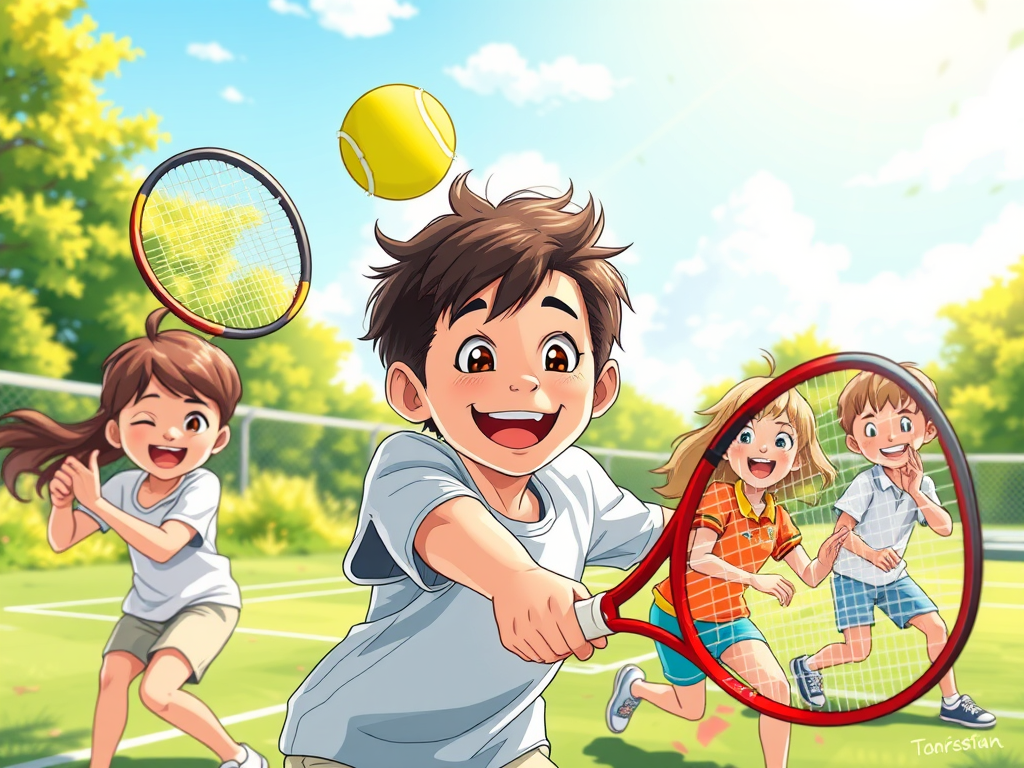
    Raising a hyperactive child can be both a joy and a challenge. Their boundless energy, curiosity, and enthusiasm can sometimes become overwhelming—not just for them, but for parents and caregivers too. One of the most effective and natural ways to manage this energy is through outdoor sports and physical activities. When started early, these activities can offer structure, improve focus, and help children develop both physically and emotionally.

    Here’s how to turn high energy into healthy development—starting with the right kind of outdoor sports.

    1. Start with the Right Sports

    🏊‍♂️ Go for Individual Sports

    Hyperactive kids often struggle with the unpredictability and social complexity of team sports. Instead, try individual activities like swimming, track and field, or tennis. These sports allow children to focus on personal goals and progress, which can boost both confidence and concentration.

    🥋 Try Structured Play

    Sports like martial arts or gymnastics are highly structured and emphasize discipline and routine—perfect for helping kids build focus and self-regulation.

    🌳 Embrace Nature Play

    Sometimes, unstructured movement in nature works best. Encourage hiking, biking, or simply exploring a local park. This lets your child move freely while still staying engaged and grounded by natural surroundings.


    2. Build Structure and Routine

    📅 Create a Predictable Schedule

    Children with high energy thrive in structured environments. Develop a consistent schedule for outdoor play with specific time slots and planned activities.

    🧩 Break Tasks into Steps

    Avoid overwhelming your child with complex instructions. Break down sports routines into small, clear steps to keep them focused and motivated.

    🚦 Set Clear Rules

    Establish consistent rules for behavior during outdoor play. Reinforce these boundaries with predictable consequences—both positive and corrective.


    3. Foster a Positive and Supportive Environment

    🌟 Use Positive Reinforcement

    Celebrate effort, not just achievement. Praise your child for participating, trying hard, or improving—even if they didn’t “win.”

    🤗 Provide Emotional Support

    Be attuned to your child’s emotions. Offer empathy during tough moments and guide them toward healthy ways to express how they feel.

    👬 Encourage Social Interaction

    While individual sports are helpful, mix in group games or short-term team activities to help your child develop social skills at their own pace.


    4. Integrate Relaxation and Mindfulness

    💨 Practice Breathing Exercises

    Teach simple techniques like deep breathing or box breathing to help manage impulses and reduce anxiety during or after activities.

    🧘 Introduce Mindfulness

    Mindfulness doesn’t need to be complex—just a few minutes of focusing on breathing or body sensations can help your child feel more grounded and in control.

    🎶 Use Calming Music

    Soothing music can help transition your child from active to relaxed states, especially after highly stimulating outdoor sessions.


    5. Don’t Hesitate to Seek Professional Help

    🧠 Behavioral Therapy

    If your child’s hyperactivity becomes difficult to manage through physical activity alone, consider consulting a child therapist or counselor for customized strategies.

    💊 Consider Medical Guidance

    In some cases, medical intervention may be necessary. Work with a healthcare professional to explore whether medication is appropriate as part of a broader management plan.


    6. Additional Tips for Managing Energy

    • Limit screen time: Overexposure to screens can overstimulate the brain. Encourage more real-world, physical play instead.
    • Prioritize nutrition and sleep: A balanced diet and consistent sleep routine significantly influence energy levels and attention.
    • Be patient and stay consistent: Change takes time. Consistent effort, patience, and a calm approach are key.
    • Know when to ask for help: You’re not alone. If managing hyperactivity feels overwhelming, seek guidance from qualified professionals.

    Final Thoughts

    Outdoor sports aren’t just an energy outlet—they’re a powerful tool to teach discipline, focus, and self-awareness. By choosing the right activities and creating a structured, supportive environment, you can help your hyperactive child thrive—not just physically, but emotionally and socially too.

    Start small, stay consistent, and most importantly—celebrate every step forward.