
Tag: outdoorsports

  • 🏃‍♀️ When Is the Right Time to Start Outdoor Sports for Children?

    🏃‍♀️ When Is the Right Time to Start Outdoor Sports for Children?

    As parents, one of the most common questions we ask ourselves is: “When should I start my child in sports?” The truth is, there’s no one-size-fits-all answer—but there is a right approach.

    Outdoor sports can be a powerful way to help kids build confidence, stay active, develop social skills, and learn valuable life lessons. But timing matters. Start too early, and they may feel overwhelmed. Start too late, and they might miss foundational skills or confidence to explore.

    So, what’s the right age—and how do you know when your child is ready?

    Let’s break it down by age and developmental stage:

    👶 Early Childhood (Ages 3–5): Building the Basics

    🔍 Focus:

    At this age, the goal is to develop motor skills like running, jumping, throwing, and catching—not mastering a sport.

    🏃‍♂️ Ideal Activities:

    • Tag, chasing games, hopscotch
    • Play-based movement like obstacle courses
    • Basic skills introduced through gymnastics, dance, swimming, or martial arts (with child-friendly modifications)

    💡 Pro Tip:

    Keep it fun and non-competitive. Avoid structured games or intense instruction.


    🧒 Elementary School (Ages 6–9): Introduction to Sports

    🔍 Focus:

    This is the sweet spot for introducing basic sports skills, understanding rules, and learning teamwork.

    Great Options:

    • Soccer, tennis, baseball, and basketball (with simplified rules)
    • Multi-sport programs or camps
    • Low-pressure environments that emphasize participation over performance

    💡 Pro Tip:

    This is not the time to choose “the one” sport. Let them explore different activities to see what they enjoy.


    🧑 Late Elementary (Ages 10–12): Skills & Strategy

    🔍 Focus:

    Now, kids are ready for more structured training, strategic thinking, and team dynamics.

    🥅 Activities to Try:

    • School or community leagues in sports like football, hockey, or competitive swimming
    • Focused skill-building in favorite sports
    • Introduction to team strategy, position play, and goal setting

    💡 Pro Tip:

    Balance skill-building with continued fun. Burnout can start creeping in if kids feel too pressured.


    👦 Adolescence (Ages 13–15): Time to Specialize (Maybe)

    🔍 Focus:

    This is when children who are passionate about a particular sport may start serious training and competitive play.

    🏋️‍♀️ Approach:

    • Advanced coaching and skill refinement
    • Increased physical training and focus on fitness
    • Continued emphasis on mental health, rest, and diversified movement

    💡 Pro Tip:

    Let your child lead the way. If they’re passionate, support their commitment. If they’re unsure, allow flexibility.


    ✅ Key Things to Remember

    🧠 Individual Readiness > Age

    Every child develops at a different pace. Some may be ready to follow instructions at 4, while others may need more time.

    🎉 Fun First, Always

    The best indicator of success in sports is enjoyment. If your child isn’t smiling, it may be time to switch gears.

    🛑 Avoid Early Specialization

    Kids who play multiple sports tend to be more adaptable, get injured less often, and are more likely to stick with sports long term.

    🫶 Be a Supportive Fan, Not a Coach

    Let coaches coach. Your role is to encourage, support, and be your child’s biggest cheerleader.


    🎯 Final Thoughts

    So, when’s the right time to start outdoor sports?
    Start early with play.
    Introduce structured sports between ages 4 to 6.
    Let your child explore, enjoy, and evolve at their own pace.

    In the end, it’s not about raising the next Olympian—it’s about raising confident, healthy, and happy kids who love to move.


    📌 Share This Blog If:

    • You’re a parent wondering when to start your child in sports
    • You believe play is just as important as performance
    • You want to raise active, well-rounded kids
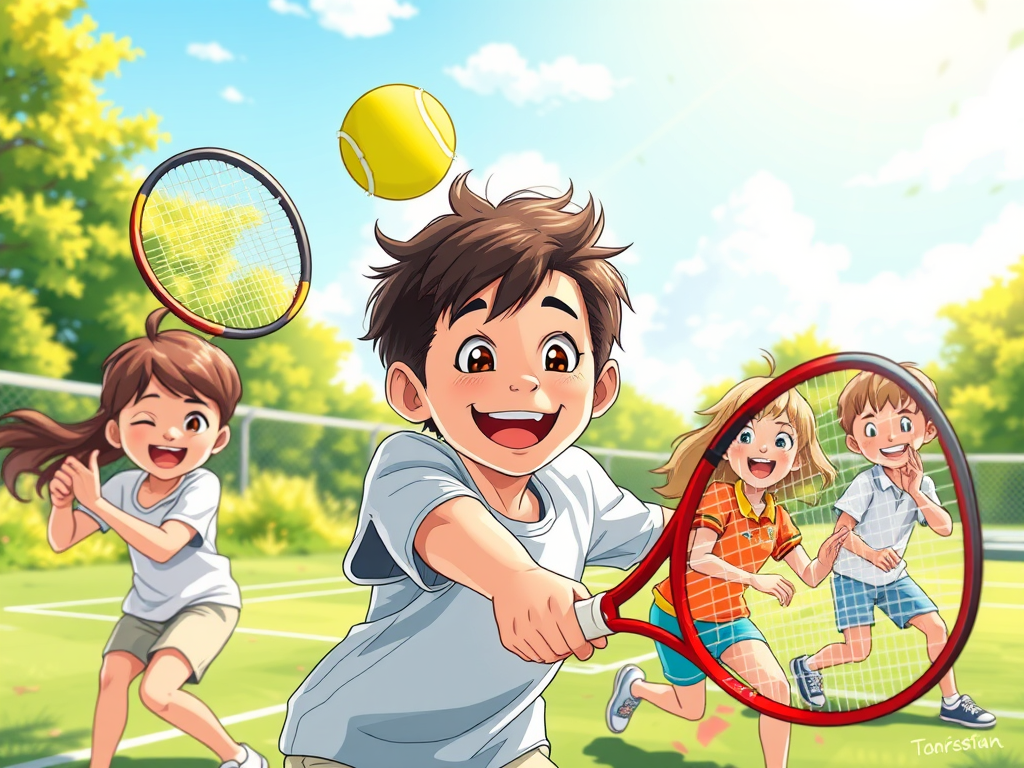
  • How to Channel Hyperactive Energy in Kids Through Outdoor Sports

    How to Channel Hyperactive Energy in Kids Through Outdoor Sports

    Raising a hyperactive child can be both a joy and a challenge. Their boundless energy, curiosity, and enthusiasm can sometimes become overwhelming—not just for them, but for parents and caregivers too. One of the most effective and natural ways to manage this energy is through outdoor sports and physical activities. When started early, these activities can offer structure, improve focus, and help children develop both physically and emotionally.

    Here’s how to turn high energy into healthy development—starting with the right kind of outdoor sports.

    1. Start with the Right Sports

    🏊‍♂️ Go for Individual Sports

    Hyperactive kids often struggle with the unpredictability and social complexity of team sports. Instead, try individual activities like swimming, track and field, or tennis. These sports allow children to focus on personal goals and progress, which can boost both confidence and concentration.

    🥋 Try Structured Play

    Sports like martial arts or gymnastics are highly structured and emphasize discipline and routine—perfect for helping kids build focus and self-regulation.

    🌳 Embrace Nature Play

    Sometimes, unstructured movement in nature works best. Encourage hiking, biking, or simply exploring a local park. This lets your child move freely while still staying engaged and grounded by natural surroundings.


    2. Build Structure and Routine

    📅 Create a Predictable Schedule

    Children with high energy thrive in structured environments. Develop a consistent schedule for outdoor play with specific time slots and planned activities.

    🧩 Break Tasks into Steps

    Avoid overwhelming your child with complex instructions. Break down sports routines into small, clear steps to keep them focused and motivated.

    🚦 Set Clear Rules

    Establish consistent rules for behavior during outdoor play. Reinforce these boundaries with predictable consequences—both positive and corrective.


    3. Foster a Positive and Supportive Environment

    🌟 Use Positive Reinforcement

    Celebrate effort, not just achievement. Praise your child for participating, trying hard, or improving—even if they didn’t “win.”

    🤗 Provide Emotional Support

    Be attuned to your child’s emotions. Offer empathy during tough moments and guide them toward healthy ways to express how they feel.

    👬 Encourage Social Interaction

    While individual sports are helpful, mix in group games or short-term team activities to help your child develop social skills at their own pace.


    4. Integrate Relaxation and Mindfulness

    💨 Practice Breathing Exercises

    Teach simple techniques like deep breathing or box breathing to help manage impulses and reduce anxiety during or after activities.

    🧘 Introduce Mindfulness

    Mindfulness doesn’t need to be complex—just a few minutes of focusing on breathing or body sensations can help your child feel more grounded and in control.

    🎶 Use Calming Music

    Soothing music can help transition your child from active to relaxed states, especially after highly stimulating outdoor sessions.


    5. Don’t Hesitate to Seek Professional Help

    🧠 Behavioral Therapy

    If your child’s hyperactivity becomes difficult to manage through physical activity alone, consider consulting a child therapist or counselor for customized strategies.

    💊 Consider Medical Guidance

    In some cases, medical intervention may be necessary. Work with a healthcare professional to explore whether medication is appropriate as part of a broader management plan.


    6. Additional Tips for Managing Energy

    • Limit screen time: Overexposure to screens can overstimulate the brain. Encourage more real-world, physical play instead.
    • Prioritize nutrition and sleep: A balanced diet and consistent sleep routine significantly influence energy levels and attention.
    • Be patient and stay consistent: Change takes time. Consistent effort, patience, and a calm approach are key.
    • Know when to ask for help: You’re not alone. If managing hyperactivity feels overwhelming, seek guidance from qualified professionals.

    Final Thoughts

    Outdoor sports aren’t just an energy outlet—they’re a powerful tool to teach discipline, focus, and self-awareness. By choosing the right activities and creating a structured, supportive environment, you can help your hyperactive child thrive—not just physically, but emotionally and socially too.

    Start small, stay consistent, and most importantly—celebrate every step forward.